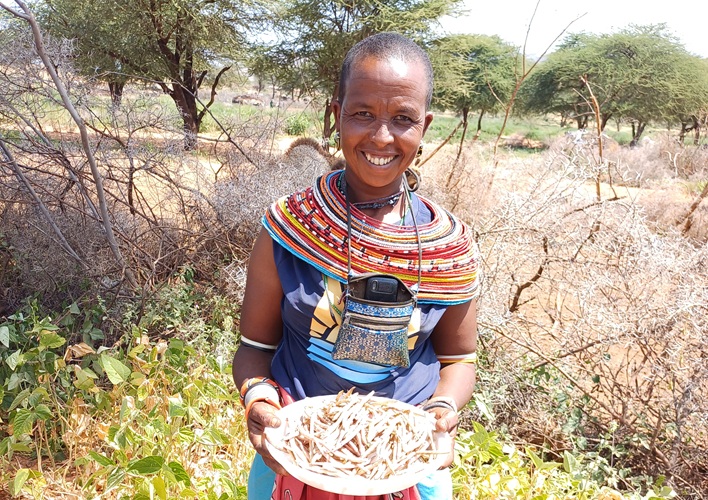
In northern Kenya, farmers like Ntaato Lepurote are recovering from the worst drought in 40 years.
“We had despaired and lost hope when drought wiped out our livestock,” says Ntaato, a 49-year-old mother living in Marsabit County, one of the worst-hit areas. Many men migrated with their herds in search of water and pasture, in fear of losing their family’s livelihood.
“Our boys left school to accompany [them],” says Ntaato. “Indeed, all hope was lost.”
With the men away for months on end, women and children had limited access to nutritious food or income. And inter-ethnic conflicts over scarce resources put them at risk of gender-based violence. “Amidst the fear of cattle [raiding], we constantly lived in fear of losing our men,” remembers Ntaato.
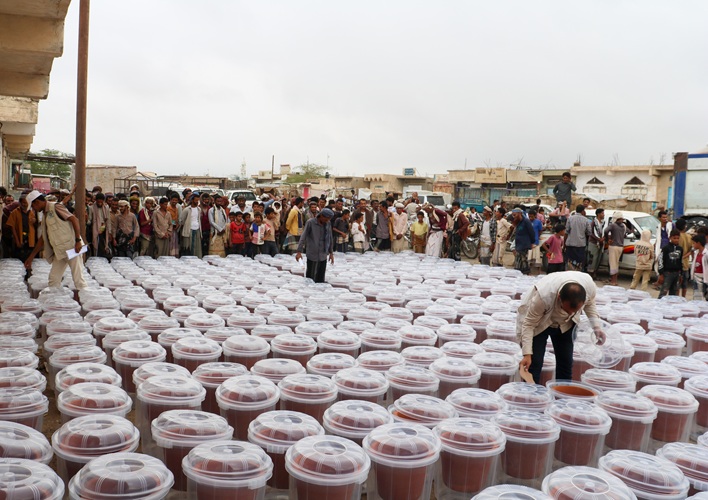
But things began to change when Ntaato and her family received emergency food aid through a program supported by our member, Alongside Hope. “God remembered us… we ate good food.”
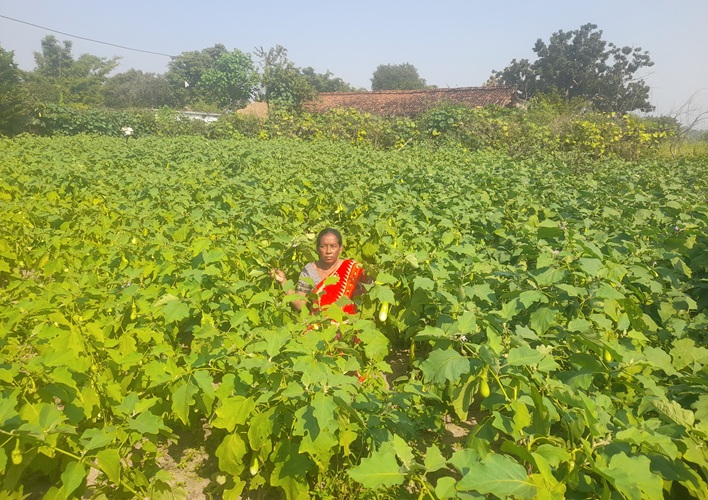
Alongside Hope and its partner, Church World Service (CWS) Kenya, worked with 1,980 people in Marsabit County to help improve food security. Farmers like Ntaato learned how to establish drought-resistant gardens and produce green grams, also known as mung beans. “I had never imagined in my life that I could grow food by myself,” says Ntaato. “I don’t have to wait for relief food anymore.”
The promising return of rain in late 2023 allowed CWS to transition from emergency food assistance to long-term drought recovery and livelihood resilience building. To improve her skills, Ntaato is participating in CWS’ newest project featuring a cost-sharing model where participants cover 25 per cent of the cost of initial inputs.
“The 3:1 contribution is an entirely new concept in the area dominated by pure assistance, and it is set to revolutionize the world view of program participants,” says Mary Obiero, CWS senior regional advisor of program quality and development. The project will reach up to 5,415 individuals in 990 households.
USAID cuts in January 2025 forced Church World Service to lay off over 500 employees from its Kenya office. Despite this challenge, the team continues to move forward as best they can to help improve the lives of people they are serving.
This story was originally published in the 2025 fall edition of Breaking Bread.