As the world marks World Rural Development Day on July 6, Canadian Foodgrains Bank is recognizing the resilience of farming communities around the globe and the importance of supporting vulnerable rural families overseas – even as Canadian farmers face growing challenges of their own.
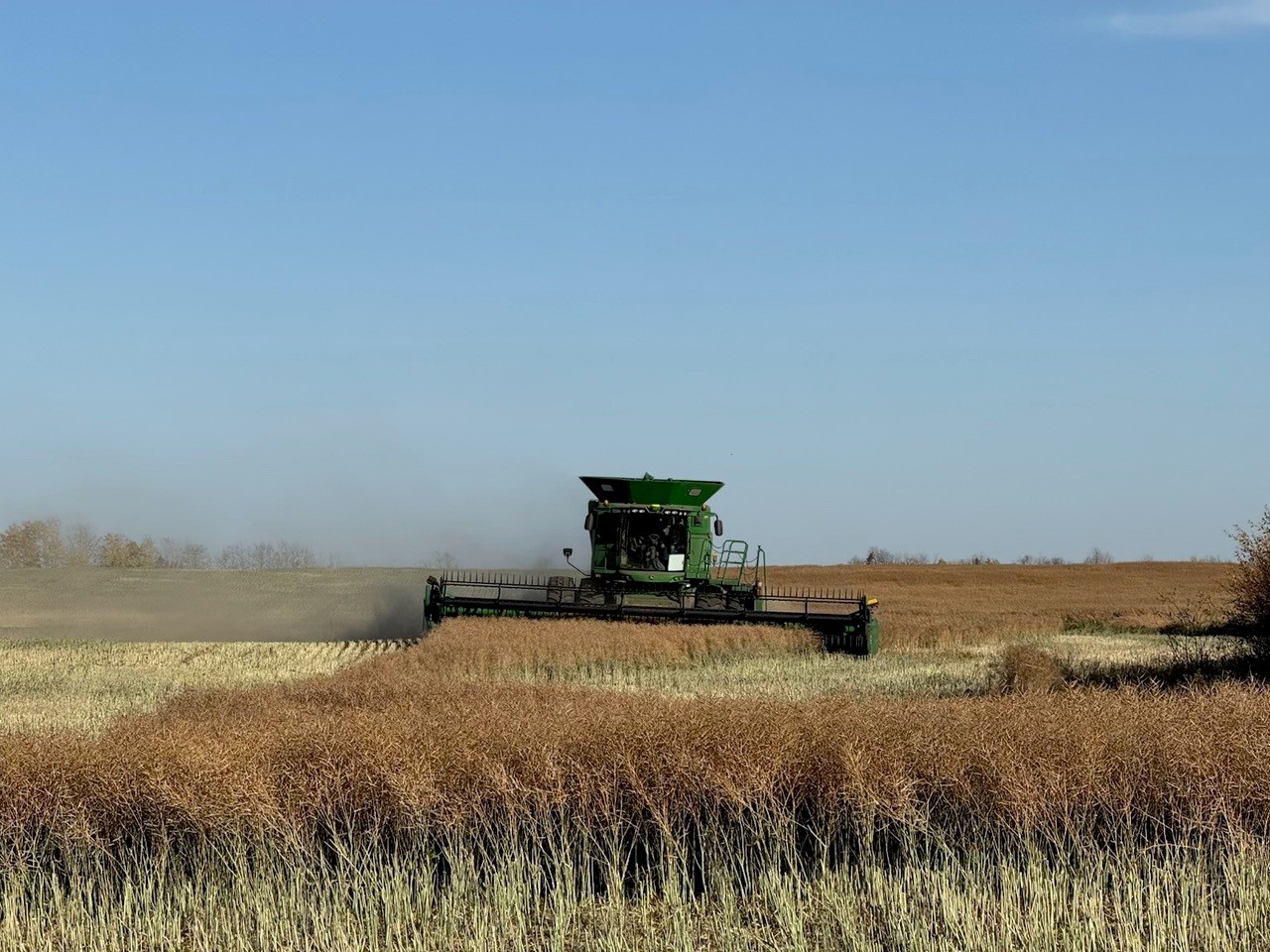
Across many parts of the Prairies this year, farmers have faced a challenging season with heavy rains wreaking havoc on crops.
Don Katerynych, who co-ordinates a Foodgrains Bank growing project in Mallaig, Alberta, with several other farmers, says they were unable to seed this year due to excessive rainfall and flooding – highlighting the weather-related challenges experienced by farmers both in Canada and around the world.
“This year we planned to grow brown oats, which is a feed oat with good demand and potential good financial return,” says Don. “However, we haven’t seeded the crop because of excessive moisture. The rains came just before we planned to seed, and wet conditions haven’t let us into the field at this point.”
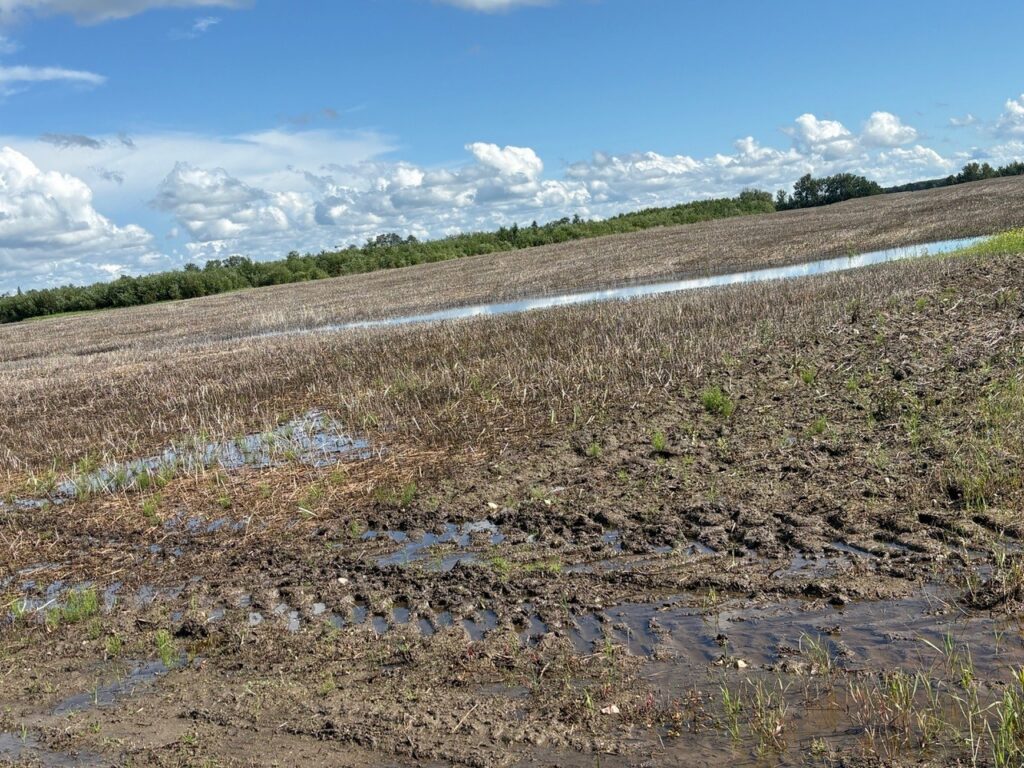
The growing project is entering its 16th year, and raised funds at a spring launch event that are helping to cover the losses, as well as being able to access crop insurance through Agriculture Financial Services Corporation. (Photo: Don Katerynych)
At the same time, Canadian farmers like Don continue to demonstrate generosity by choosing to support families facing hunger around the world. “We realize that we are so very blessed in our community and country, even though we are not able to seed the crop and experience hardships,” he says.
Through its 15 member agencies, Foodgrains Bank works with local partners to support small-scale farmers in rural communities across Africa, Asia, and other regions. These initiatives help farmers improve crop production, access agricultural training, and strengthen their ability to withstand droughts, floods, and other climate shocks.
“Some people may wonder why Canadian farmers continue to support international efforts when they themselves are facing hardships,” says Abe Janzen, Alberta regional representative for Foodgrains Bank. “The answer is simple: Canadian farmers understand what it means to rely on the land for your livelihood. Weather disasters or crop failures can threaten that. But for many farming families overseas, when shocks occur, there often aren’t any safety nets to fall back on.”
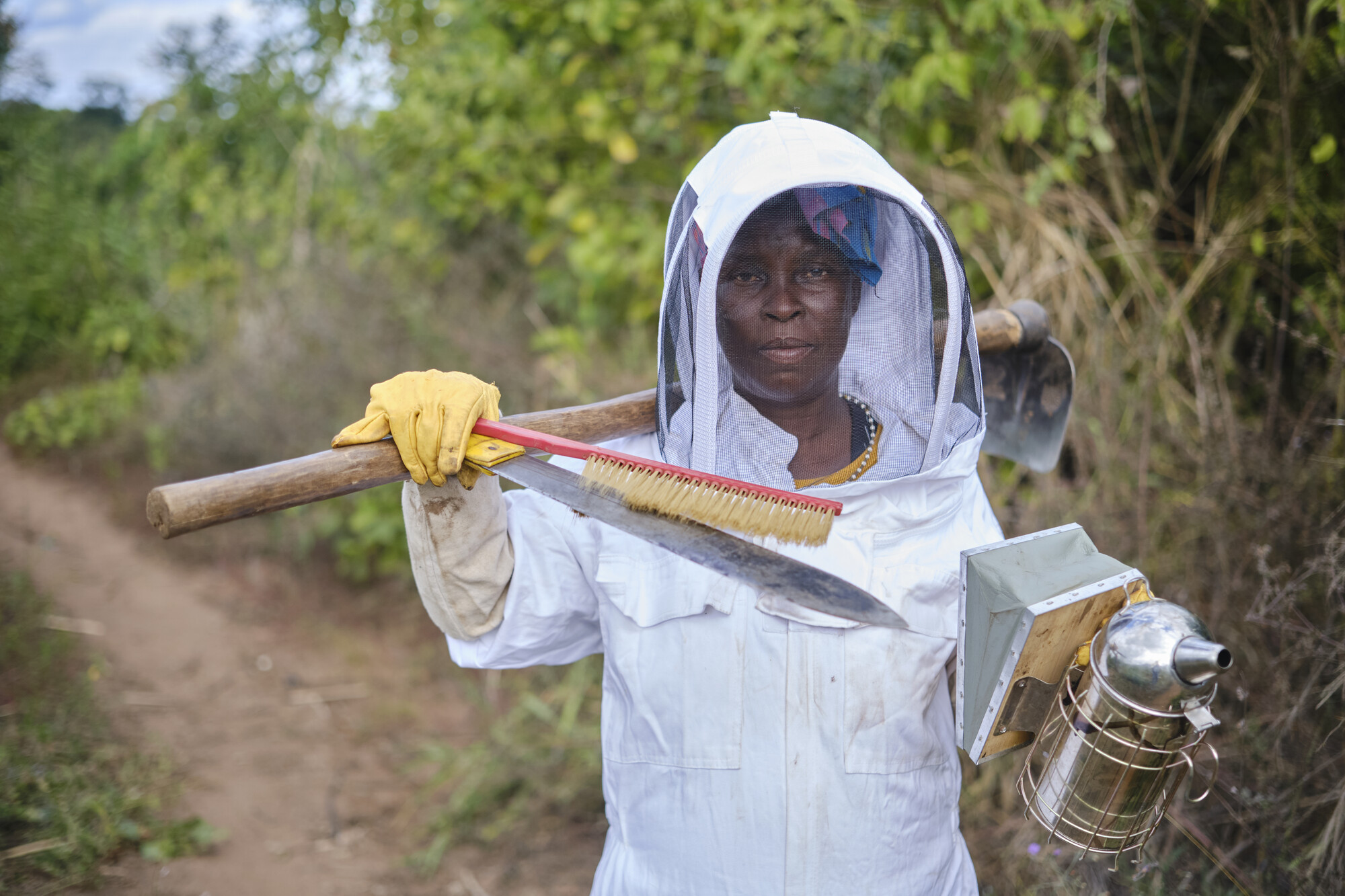
For farmers in countries like Burundi, limited access to resources can make it much harder to recover from setbacks. This was true for Judes, a 45-year-old mother and cassava farmer living in rural Burundi. For many years, her family survived on one meal a day, and she worried about her children being at risk of malnutrition.
She chose to participate in an agriculture and livelihoods project supported by Foodgrains Bank member Mennonite Central Committee and its local partner Help Channel Burundi, where she learned conservation agriculture techniques and joined a village savings and loans association that helped her purchase more land for farming.
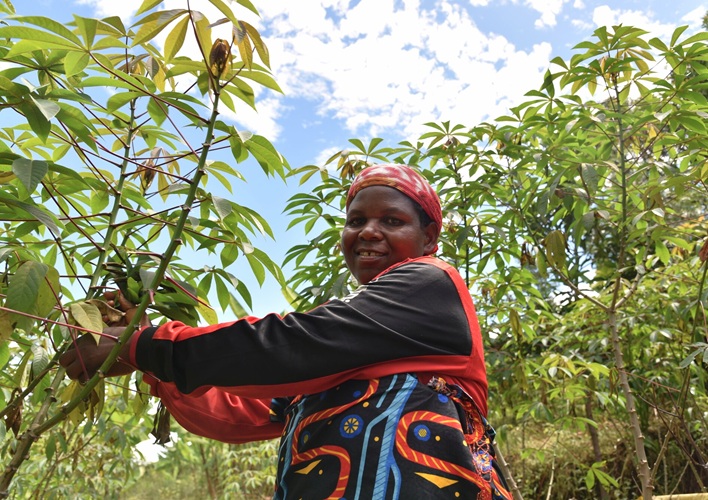
Judes and her husband went from growing 70 cassava plants to over 1,750, allowing them to increase their income by selling more cassava at the local market. (Photo: Supplied)
“My hope for my children is for them to continue school,” says Judes. “I will continue to work hard, so I get money to pay for school fees.”
On World Rural Development Day, Foodgrains Bank celebrates the strength, generosity, and perseverance of rural farmers in Canada and abroad.
“Whether in Alberta or Burundi, rural farmers share a common commitment to feeding their families and communities – building a more food-secure future for everyone,” says Janzen.