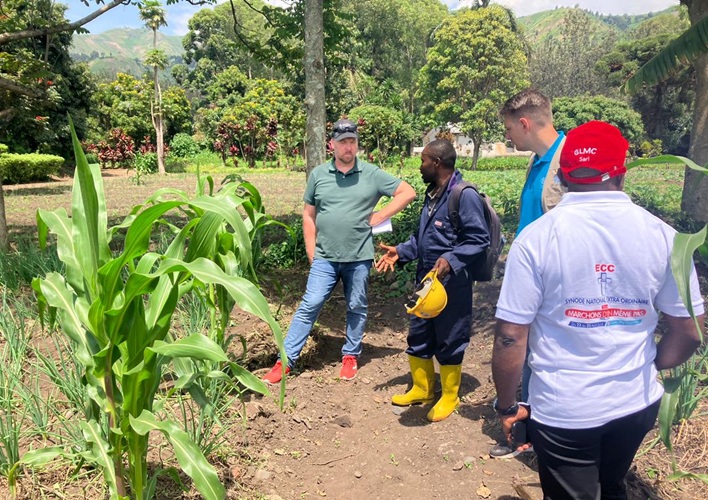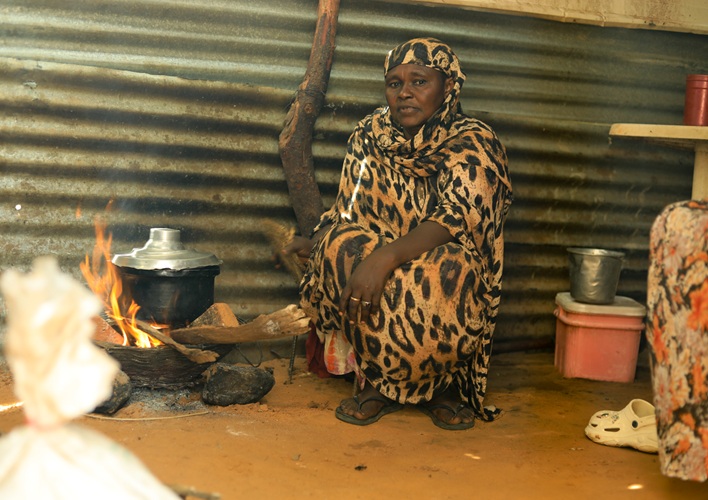
In 2024-25, we approved funding to support 531,367 people facing long-term hunger and malnutrition in 26 countries.
Our development work focuses on supporting families’ efforts to build resiliency to hunger and other crises for the long-term. This often involves working with communities to bolster their ability to rebound after hardships and/or disasters, including:
- helping families rebuild their livelihoods
- facilitating training on conservation agriculture
- improving nutrition for families
Virginia Silva of Campo Alegre, Venezuela, comes from a heritage of family farming and fondly recalls her grandmother’s advice: “[She] used to tell us from a very young age, let’s go, let’s sow, and gather the harvest. At that time, we used to sow a lot of beans. She left us the legacy to continue sowing.”
While Virginia learned much about the farm as a child from her relatives, without access to suitable inputs she says her family often “couldn’t practice planting correctly.” As an adult, Virginia continued her family’s legacy of farming, but struggled to afford high-quality seeds, and was limited to growing chili and eggplant on her plot of land. She planted and harvested little, selling the produce to help support her family of six.
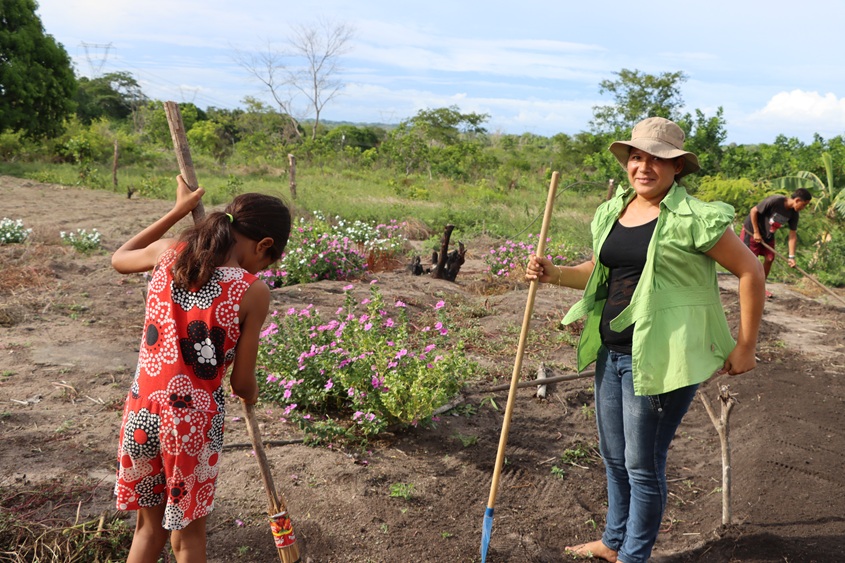
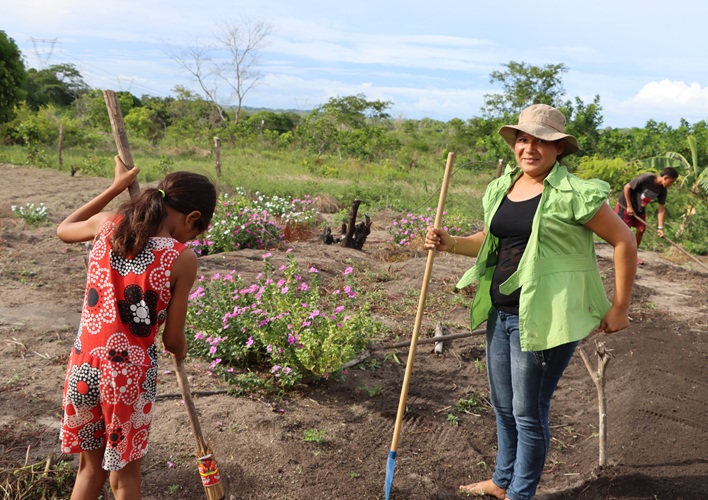
“I don’t have to worry [anymore] about whether the seeds of the vegetables I buy are good or bad,” says Virginia, pictured above (right) farming with her daughter – continuing the generational family legacy of sowing. (Photo: ADRA Venezuela)
Life changed for Virginia when she was selected for trainings offered by Adventist Relief and Development Agency (ADRA) Venezuela, partner of ADRA Canada, as part of a 22-month development project in the State of Bolivar.
Virginia learned to identify insects that could damage her crops, as well as how to prevent this using natural, chemical-free methods that wouldn’t harm the plants or the soil. She attended agricultural trainings, accessed high-quality seeds, and continued to expand her knowledge. “Learning to plant vegetables with ADRA was a spectacular experience.”
This article was originally published in our 2025 Annual Report.