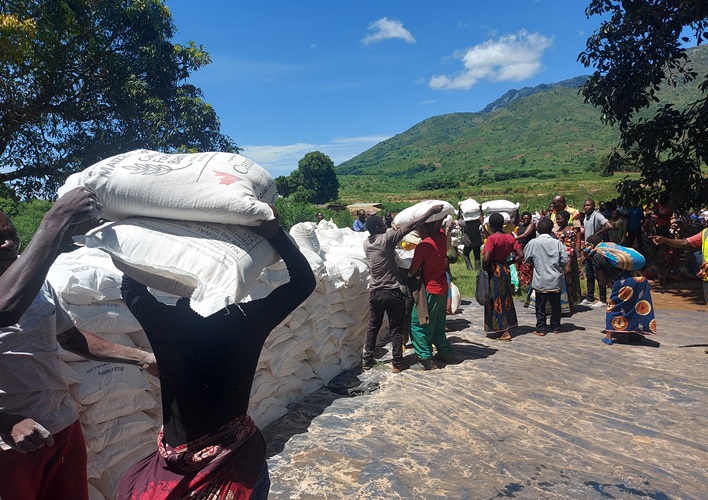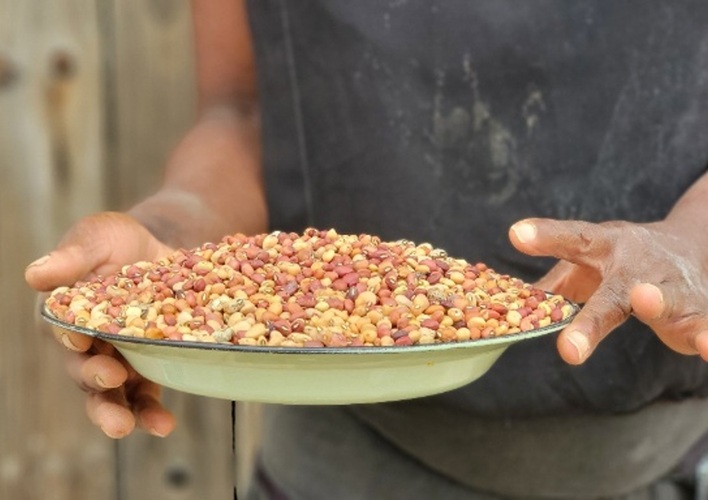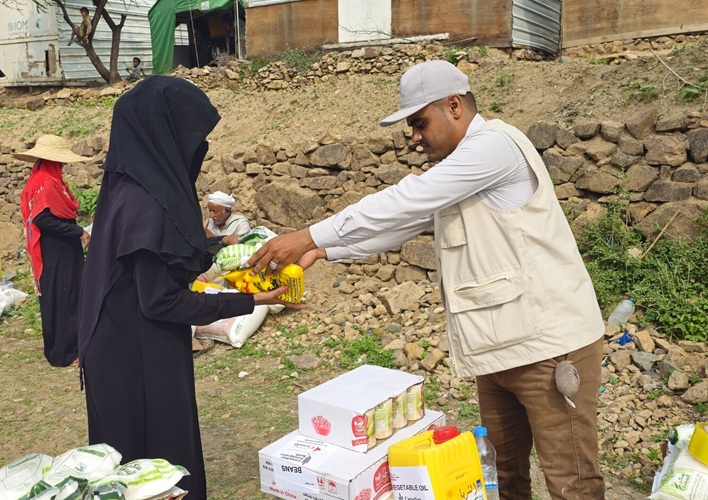
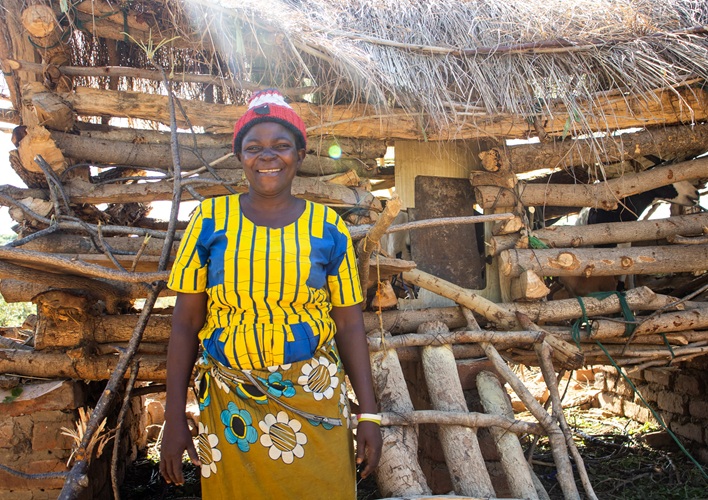
In 2024-25, we approved funding to support 531,367 people facing long-term hunger and malnutrition in 26 countries.
Our development work focuses on supporting families’ efforts to build resiliency to hunger and other crises for the long-term. This often involves working with communities to bolster their ability to rebound after hardships and/or disasters, including:
- helping families rebuild their livelihoods
- facilitating training on conservation agriculture
- improving nutrition for families
Esmy Edward, a 44-year-old single mother of five children, resides in Balaka District, Malawi. This is an area grappling with high levels of food insecurity due to low agricultural productivity, climate change, and devastation from recent cyclones.
Esmy recalls many overwhelming challenges in her life, including providing food and paying secondary school fees for her two sons, which “felt like an impossible task.”
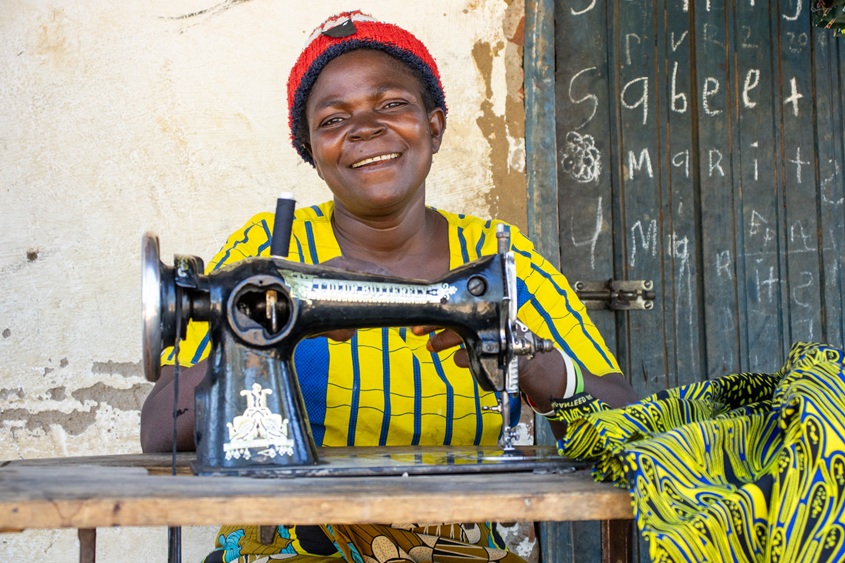
Leveraging her new business knowledge, Esmy was empowered to start a fish business and ventured into tailoring for additional income. (Photo: Alice Kumunda/CARD)
But since joining a three-year agriculture and livelihoods project implemented by Churches Action in Relief and Development (CARD) with support from Foodgrains Bank member Presbyterian World Service & Development, Esmy has been transforming her life for the better. She learned financial management and business skills, joined a village savings and loans group, and completed training on gender concepts and modern farming techniques.
As part of the project, Esmy was provided with five goats. Using the sustainable practices she adopted from the project, including producing organic manure, Esmy was able to improve her farm’s productivity. Her goats reproduced, and now Esmy has 10 goats.
“I am grateful for the support I have received,” says Esmy. “Now, I can provide for my children, and I envision maintaining my house and seeing my sons finish school without difficulties.”
This article was originally published in our 2025 Annual Report.