
Despite a modest decline in the rates of global hunger in 2024, the world isn’t moving fast enough to respond to the threat of food insecurity, says a new UN report.
This year’s State of Food Security and Nutrition in the World (SOFI) report, published Monday by the UN’s Food and Agriculture Organization, revealed between 638 and 720 million people – representing 8.2 per cent of the world’s population at its midpoint – experienced chronic hunger in 2024.
This marks the first time the number of people experiencing hunger globally on average has fallen below pre-pandemic estimates since 2019, when it was reported as 690 million. But while the good news is welcome, progress around the world has not been equal.
“It shows us progress in the fight against hunger is possible with sustainable investments and a coordinated global response, but time is running out for the millions of people who still don’t know where their next meal is going to come from,” says Canadian Foodgrains Bank senior policy advisor Chinelo Agom-Eze.
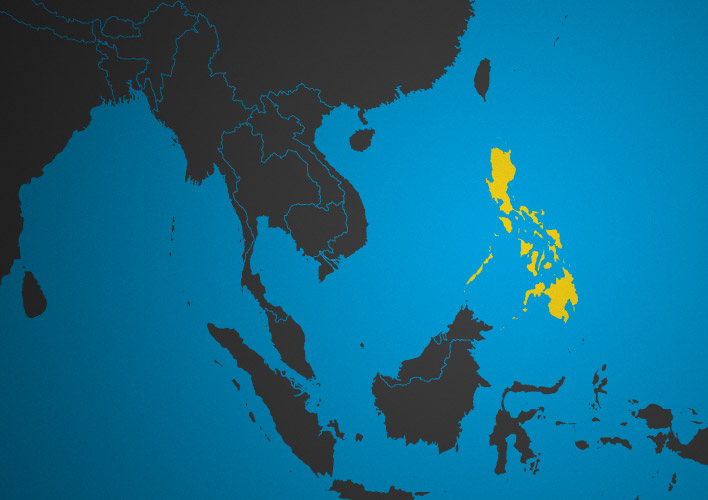
The latest global number – 720 million – marks a decline from 757 million in 2023, thanks to improvements made in southeastern Asia, southern Asia, and South America, demonstrating that progress against global hunger is achievable.
However, these gains strongly contrast with rising rates of hunger in Africa where one in five people are going hungry, and in the Middle East where one in seven people experience chronic hunger – driven by persistent challenges such as violent conflict, climate shocks, and economic instability.
Additionally, following significant cuts by the United States Agency for International Development (USAID), which slashed funding for approximately 40 per cent of the world’s international aid programs earlier this year, the number of people going hungry is expected to rise sharply in 2025 – along with additional reductions by other Western governments that will exacerbate global hunger and wipe out the gains shown in this year’s SOFI report.
“These numbers aren’t just statistics – they represent seniors rationing food, parents skipping meals so their children can eat, and families being pushed to the brink of starvation and hunger in some of the places most vulnerable to hunger globally,” says Stefan Epp-Koop, Foodgrains Bank senior manager for humanitarian programming.
The affordability challenge continues to pose a threat to food security and worldwide stability, the report states, as global food inflation consistently outpaces general inflation rates.
Between late 2020 and early 2023, median global food price inflation increased by 10 per cent, from 2.3 per cent up to 13.6 per cent. For low-income countries, those rates climbed even higher, peaking at 30 percent as of May 2023.
To respond to the global hunger crisis, Foodgrains Bank committed to reach over 1.1 million people in 37 countries in 2024-25 with food assistance and long-term agriculture and livelihoods support.
This includes $5.6 million in programming for 122,000 people in Sudan, where around 25 million people are experiencing the brunt of the world’s largest humanitarian crisis.
“In Sudan, the average cost of a healthy diet has risen by over 28 per cent since 2017 due to the ongoing conflict,” reported Epp-Koop. “That’s a burden many would find hard to carry. But for those who were already struggling due to poverty, it often feels impossible, and this is why we work to support our members and their partners serving there to help as many people as we can.”
To learn more about our efforts to end hunger around the world in 2024-25, take a look at our 2025 Annual Report.