By Matthew van Geest, Canadian Foodgrains Bank senior program and network services manager
On World Humanitarian Day, I find myself thinking about the people who make my work possible.
From my desk in Canada, humanitarian and development work often looks like meetings, spreadsheets, strategy documents, policy reviews, monitoring frameworks, learning conversations, and program decisions. It is meaningful work that I love, and that I get to do from a place of safety.
That is not the reality for many of the people at the heart of humanitarian response.
The United Nations has warned that humanitarian work has become more dangerous than ever, and today, on World Humanitarian Day, we mark another year of historically high violence against aid workers. 2024 was the worst year on record for the number of aid workers killed – 384 lives lost.
In 2025, another 350 aid workers were killed. 322 were wounded, 235 kidnapped, and 280 unjustly detained.
In just three years, more than 1,000 aid workers have been killed while responding to humanitarian needs around the world.
The numbers are staggering. But those numbers are not the whole story. When aid workers are attacked, projects often have to pause or even stop, and the consequences ripple far beyond the individual or organization. Communities lose access to food, medical support, nutrition programs, clean water, shelter and protection. The people who suffer most are those already living through crisis.
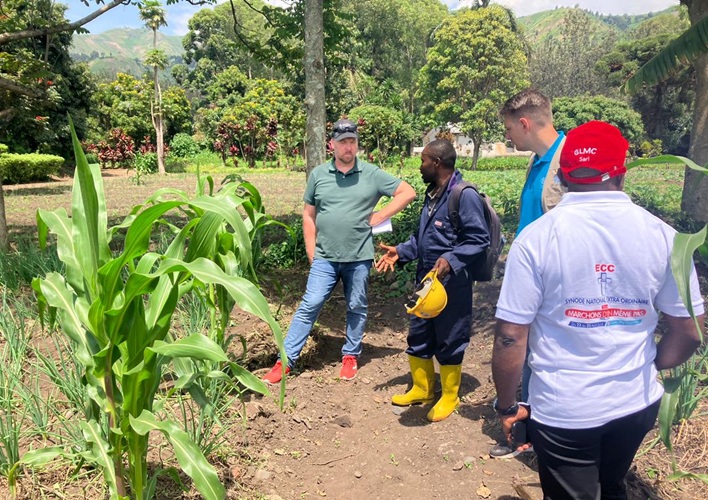
Too often, the public image of humanitarian response centres on international workers arriving from elsewhere, like Canada. But in most crises, local communities and humanitarian workers are the first to respond and the last to leave. And increasingly, they are paying the highest price. A Save the Children analysis found that 96% of attacks on humanitarian workers over a five-year period were against national staff.
They are the neighbours, local staff, volunteers, community and church leaders and partner organizations who know the language, the culture, the roads, the risks, the history and the people. They are often responding while their own families are affected by that same crisis, whether its conflict, hunger, displacement, flood, drought or insecurity.
World Humanitarian Day is not simply a day to say thank you and honour our colleagues who have died. It is a day to remember that humanitarian action depends on access, safety, and respect. It is a day to insist that the people who serve communities in crisis must be able to do their work without being threatened, detained, kidnapped, bombed, or killed.
Because World Humanitarian Day isn’t about celebrating people for enduring danger. It’s about demanding a world where they don’t have to.