By Andy Harrington, Canadian Foodgrains Bank executive director
Despite decades of progress, and the fact that we exist in a world where there’s more than enough food for the global population, more than 700 million people are living with the daily reality of hunger. And while the needs have risen significantly, we cannot say the same for global aid.
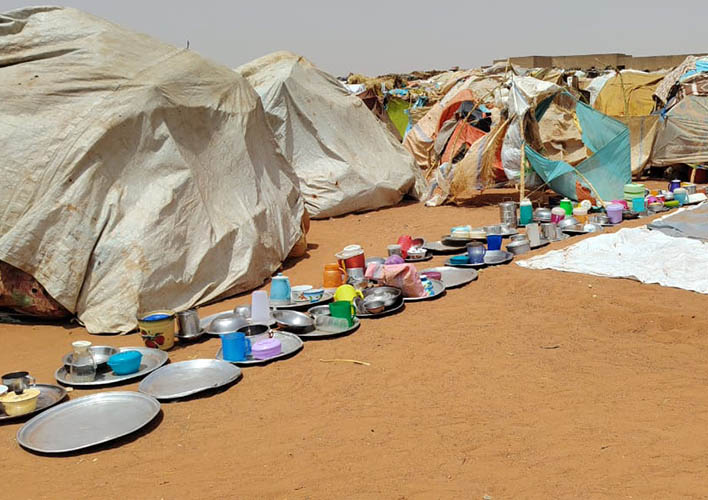
2025 was the year extreme hunger spread at a pace not seen in decades, as the world averted its gaze. Gaza crossed into famine, following Sudan where famine started in 2024 and grew in 2025. These are stark reminders of the human cost of inaction, and how quickly hunger can escalate when the world chooses to look away.
What’s even more shocking is that these were not isolated tragedies, but a reflection of staggering need happening in multiple regions around the world. From Haiti to South Sudan and Yemen, millions of people are living through the scary reality of a devastating hunger crisis.
And while people are watching their loved ones die because of hunger, governments around the world are cutting their international development assistance budgets to focus on domestic concerns and military spending. The UN Office for the Coordination of Humanitarian Affairs warns that global funding for humanitarian response fell by a third in 2025, leaving only 11 per cent of the required resources covered.
Against a tide of crises, our greatest moral failure is choosing to turn away. Given that official development assistance makes up a mere two per cent of Canada’s federal budget, cutting it back now won’t serve us well. Instead, it jeopardizes the very stability that benefits Canada and the world.
In less than a decade, according to the Global Report on Food Crises – we saw the number of acutely food insecure people nearly triple, from 105 million people in 2016 to 295 million people in 2024. And that’s not including figures for 2025, or the devastating impacts we’ll see in 2026 from funding cuts.
The humanitarian sector is truly overstretched.
Yet we continue with hope. Even amid political turbulence, misinformation, and a distrust that threatened to undermine humanitarian work, meaningful gains were made this past year in the humanitarian sector. Life-sustaining support reached tens of millions of children – with meals, safe drinking water, and essential medical care. Early‑warning systems, resilient farming techniques, and targeted nutrition programs strengthened families in hunger‑affected areas, helping them endure through crisis.
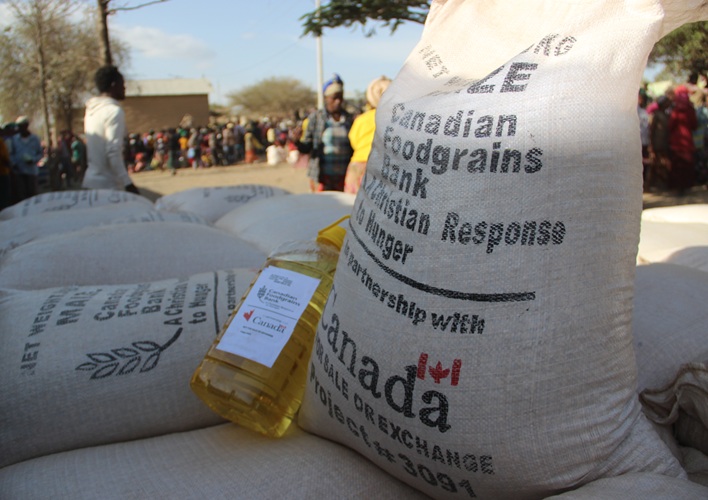
This is the tireless work of our 15 Canadian member agencies and their local partners working in 37 countries overseas. It reflects the dedication of every organisation in the humanitarian sector striving to make this world a better place for all of us. And it is worthy work – because when people and governments step up to provide food for people facing hunger, lives are saved.
And lastly, we see hope in the generosity of Canadians. Even in a year when Canadian farmers in some regions faced incredible challenges with drought, they still chose to give – because Canadians are compassionate people. “Despite the fact that our yields are down, and we’re having struggles with our crops, we’re not going to go hungry – unlike people in the developing world where if their crops fail, they’re without food,” said a Foodgrains Bank supporter who farms in Niagara, Ontario.
Ending hunger is not a technical or financial challenge; it is a moral one. In fact, the UN estimates that achieving zero hunger would cost less than one per cent of global military spending. That is a choice we have the power to make – but will we?
In 2026, like every other year, there is a need for people who are willing to show up. So we don’t give up, and we don’t stop showing up. We choose perseverance, no matter the challenges we face – because we know the infinite value of every person that finds freedom from hunger.
Hope wins.