In this time of global upheaval, when conflict, climate shocks, and economic instability are converging in ways we’ve never seen before, I find myself reflecting on the role we play – not just as an organization, but as a community of people who care deeply about this mission to end global hunger.
January 2026 marks one year since the humanitarian sector was shaken by the loss of critical USAID support. Many frontline humanitarian responses were forced to cut programs and cut staff, without notice, and are still reckoning with the staggering consequences of this major funding loss.
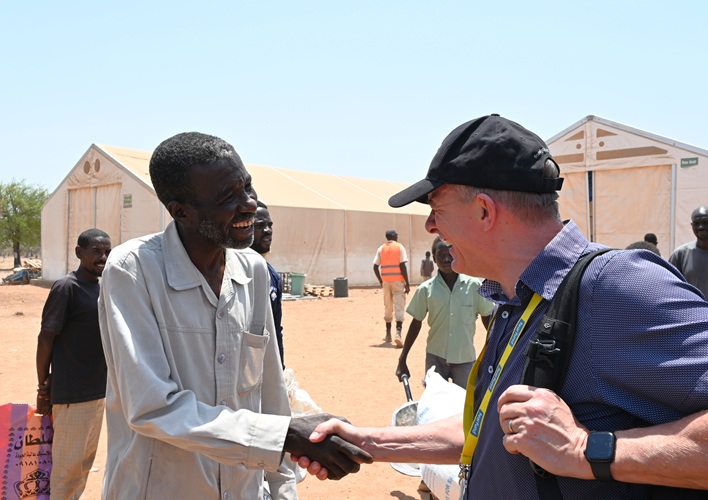
I had the opportunity to meet some of these people in South Sudan, where mothers were being turned back from malnutrition clinics that had closed one day prior, and babies were being deprived of lifesaving care that had been available to them just a few days before. It was an incredibly sobering experience, and one that I’ll never forget.
And while we grapple with these losses, hunger conditions are intensifying in Sudan and Gaza. Violent conflict continues to be the most significant driver of hunger, dismantling systems meant to protect people and leaving famine as a looming threat.
In 2026, these challenges remain – but what also remains is our gratitude for your continued support. We’re very thankful for our member agencies, their local partners implementing projects in their communities, and the ongoing support of the Canadian government.
Without a doubt, over the past 40 years, our work has led to measurable improvements in the lives of millions of people around the world. People like Narlin, pictured below, who was supported by ADRA Indonesia to restore her family’s livelihood after Sulawesi was hit by a devastating earthquake followed by tsunami and landslides in September 2018. Over 4,000 people lost their lives, and for many of those who survived, their entire livelihood was lost.
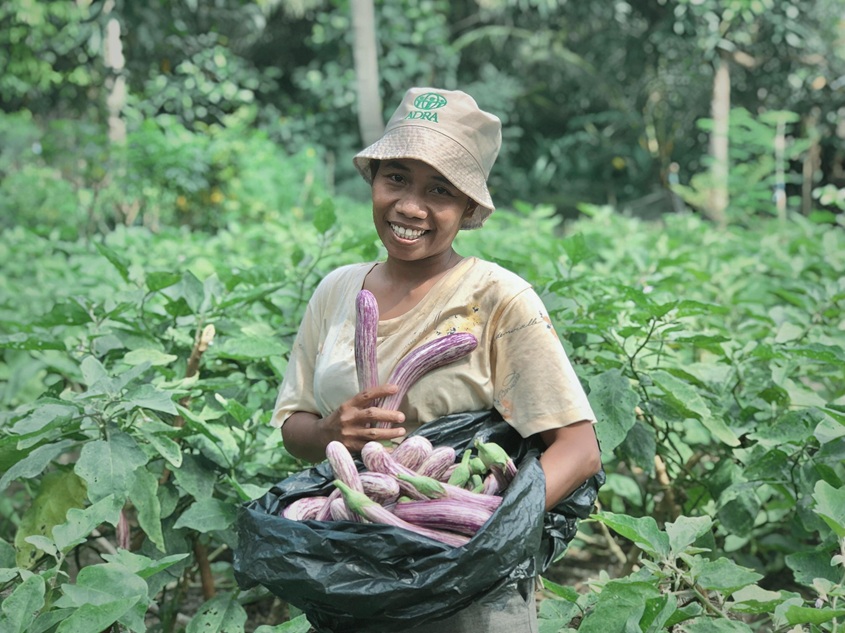
30-year-old Narlin lives with her husband Petrus and their two children. With the support of ADRA Indonesia, ADRA Canada and Foodgrains Bank, Narlin’s family are restoring their livelihoods after the devastating 2018 earthquake in Sulawesi. Narlin hopes her farm will produce even greater yields in the future so that she can save more and her children can continue their education. (Photo: ADRA)
In 2019, ADRA Indonesia launched a two-year rehabilitation project to improve food availability and affordability for disaster-affected families with support from Foodgrains Bank and ADRA Canada, followed up by another three-year project from 2022 to 2025.
“I am very grateful to be a wife and mother who can manage the family land,” says Narlin, who increased her crop production through her participation with a Farmer Field School group. “Through my efforts, I can help increase the family’s income and meet their nutritional needs through the vegetables I grow.”
It’s stories like Narlin’s that inspire us to persevere in the face of challenges to the humanitarian sector.
And now, more than ever, we must commit to raising our voices in support of this work. When we speak up to our leaders, asking for action to follow our compassion, we help ensure that Canadian values of compassion and generosity are reflected in our international development policies.
Over the years, advocacy work by Foodgrains Bank staff and our supporters has been effective in improving government policies and reducing hunger. Here are two examples of advocacy campaigns that have resulted in positive change:
- A policy change in 2005 to “untie” 50 per cent of food aid (followed by 100 per cent in 2008) significantly saved on transport costs, reduced delivery times for food aid in crises, supported local markets, and provided more culturally appropriate food to people receiving assistance.
- After the Taliban became the de facto government in 2021, Canadian organizations were barred from providing aid in Afghanistan – despite great humanitarian needs there. After two years of advocacy, Canada granted exemptions for organizations like ours to provide humanitarian assistance in Afghanistan without fear of criminal liability.
And there’s still work to do. Speak up today to show our leaders your compassion for people living through hunger and malnutrition overseas, and help us advocate for Canadian policies that reflect our values.