Globally, conflict is the leading cause of hunger, creating instability, disrupting food systems, and obstructing humanitarian efforts to provide aid to people in need.
One of our eight core values at Foodgrains Bank is to foster a culture of peace and respect for diversity – because we know that lasting peace is fundamental to ending hunger.
Church engagement facilitator for Evangelical Missionary Church of Canada (EMCC) World Partners, David Benjamin, says the proclamation of peace is to acknowledge that we are all equal, and that when any region of the world is hurting, it should matter to us.
“Peace and reconciliation pave the way for a collective sense of responsibility and quality response to the needs of our brother and sister. It removes obstacles such as selfishness and hoarding, and invites us to enjoy the spirit of mutuality and interdependence.”
When reflecting on the value of peace from a biblical perspective, David draws his inspiration from Romans 14:19 – Let us therefore make every effort to do what leads to peace and to mutual edification.
“It is so easy to see others as the cause of disturbance and chaos and ignore my own responsibility,” he says. “If we are to be channels and ambassadors of peace, it is our godly response (rather than thoughtless reaction to internal and external challenges) that ushers the presence of God into each situation.
“The pursuit of peace and the hard work of peacemaking is to become the channels of peace.”
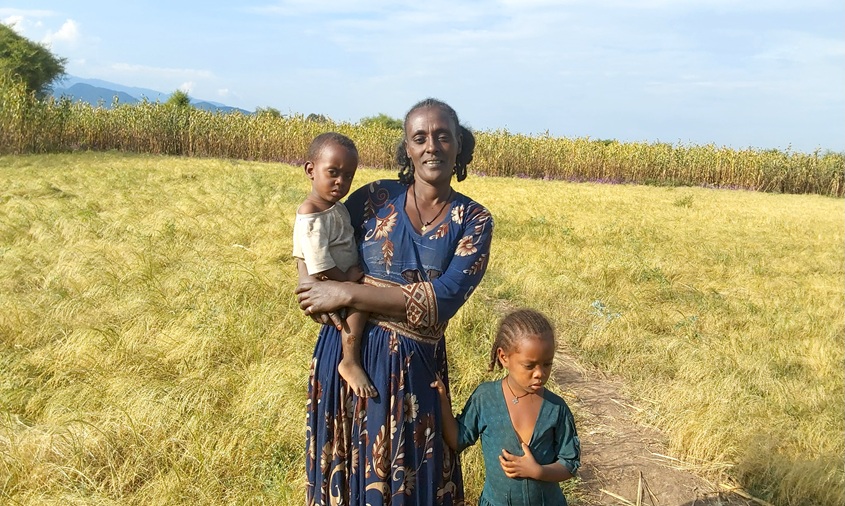
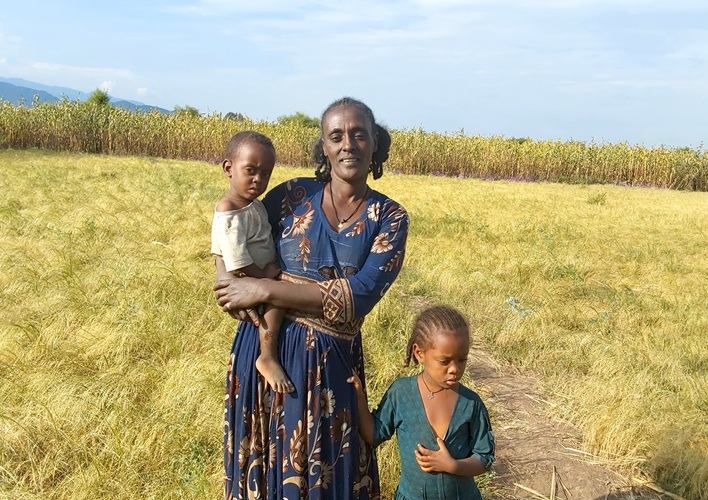
“There was no food and [we] had a tough time,” says Ethiopian mother and widow Aberash Kube, who struggled to feedher family in the aftermath of the Tigray conflict. Aberash is now happy to be planting the seeds she was given through the EKHCDC project in Tigray, and rebuilding her life. (Photo: EKHCDC)
A peace agreement in late 2022 allowed survivors to return home – only to find their houses burned, assets stolen, and livelihoods destroyed.
Through this project, EKHCDC is supporting 1,200 households (6,000 individuals) in war-affected communities with agricultural inputs and the provision of 640 goats to replace livestock lost during the war, farm tools, and conservation agriculture training. The project is also establishing self-help groups to help families start businesses, and training trauma healing facilitators to support victims of sexual and gender-based violence.
This story was originally published in the 2025 spring edition of Breaking Bread.