Across the humanitarian sector, we are witnessing a moment of rapid and difficult change. At Canadian Foodgrains Bank, we also see this across our network of members and their local partners.
In recent years, there has been an increase in the number and complexity of global emergencies, meaning more people need humanitarian support. At the same time, governments around the world, including in Canada, are reducing funding for international development. To continue working toward our mission of ending hunger, we must adapt to this changing landscape and continue finding new and innovative ways to make a meaningful impact.
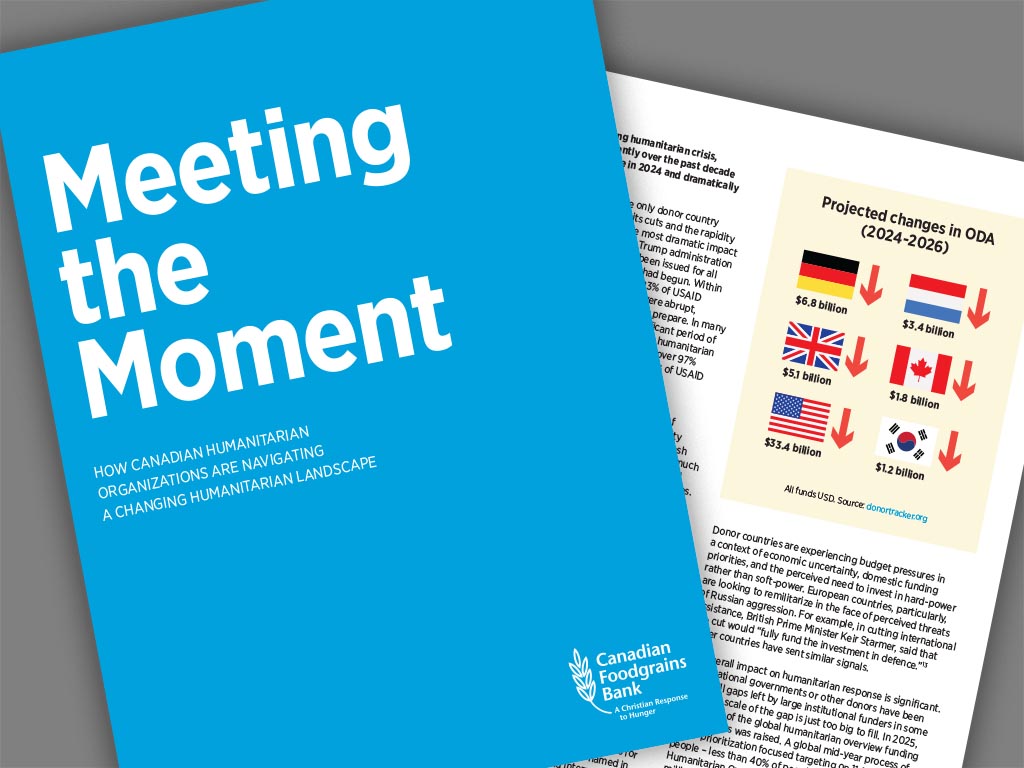
To spotlight how these challenges are reshaping the sector, Foodgrains Bank staff members have written a report on how Canadian humanitarian organizations are adapting to these rapid changes. Based on interviews with staff from 20 leading Canadian humanitarian agencies and insights from Foodgrains Bank members, it explores how organizations are navigating new pressures, shifting government priorities, and adapting to new technologies and ways of working.
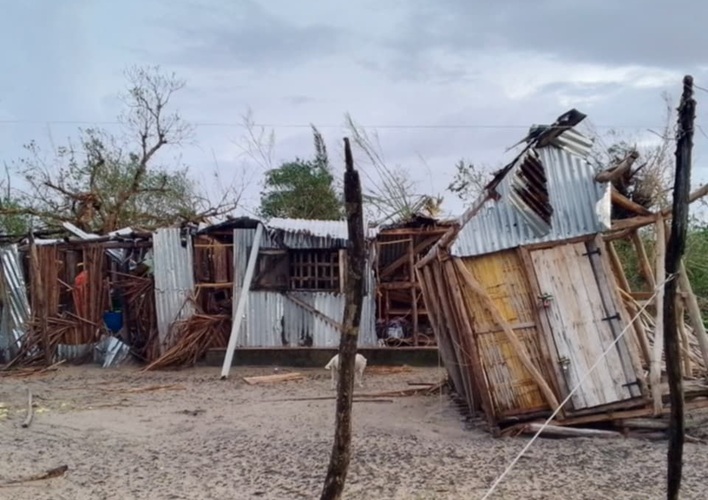
With the growing need for humanitarian aid caused by rising conflict, climate disasters, and economic challenges, combined with reduced funding, organizations are being forced to make difficult choices. These are decisions no one should have to make: closing programs, laying off staff, lowering the amount of support they can offer, or focusing only on the most lifesaving work. In the end, it means fewer people get the help they urgently need. And it’s anticipated that these conditions will continue to get worse.
The impact of these changes is felt most by humanitarians working in affected communities. A report from Community World Service Asia, partner of Foodgrains Bank member Presbyterian World Service & Development, notes that “many aid workers described the personal guilt and shame of having to walk away from communities they had built trust with… the emotional weight of these withdrawals is not carried by global headquarters, but by field teams who live and work among those affected.”
Balancing shrinking resources and growing need is just one of the issues facing humanitarian organizations. The report highlights the perspective of Canadian humanitarians on other key issues including the adoption of Artificial Intelligence, the impact of climate change, and localizing humanitarian response.
Prior to 2025, the humanitarian sector was already under strain, and the changes over this past year have made the work even more complex. Yet, organizations across Canada continue to show resilience, creativity, and commitment as they adjust to political, social, and technological shifts.
Click here to access the full report titled Meeting the Moment.