Global hunger has surged to alarming levels, driving renewed action from Canadian Foodgrains Bank. New data from the 2026 Global Report on Food Crises (GRFC), released today, shows that nearly 266 million people around the world are now at risk of starvation – and that’s not including the impacts of the current war in the Middle East.
In 2025 alone, more than 266 million people across 47 countries and territories experienced acute food insecurity.
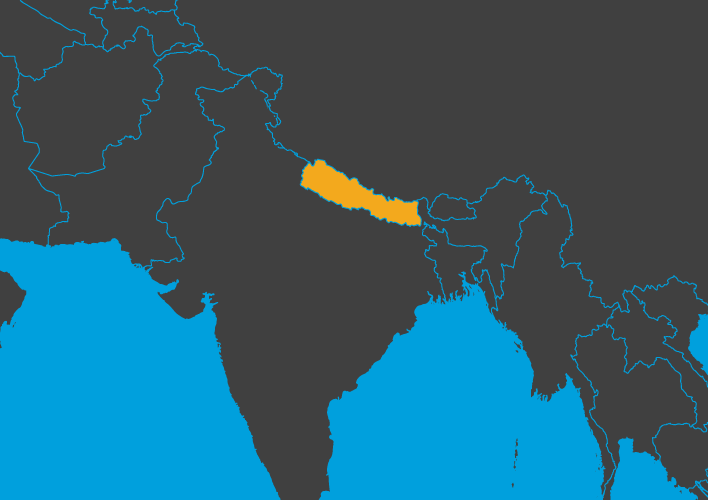
Ten countries – Afghanistan, Bangladesh, the Democratic Republic of the Congo, Myanmar, Nigeria, Pakistan, South Sudan, Sudan, Syria, and Yemen – accounted for two-thirds of all people facing high levels of acute hunger.
At a time when global hunger is rising sharply and aid budgets are being cut by world leaders, we cannot afford to turn away, says Canadian Foodgrains Bank executive director Andy Harrington.
“As government funding for international development and humanitarian assistance is reduced, millions are left facing hunger. The gap between need and resources has never been wider – and this makes our work more critical than ever. This is a moment that demands resolve, not retreat. Foodgrains Bank remains steadfast in our commitment to stand with communities facing hunger and calls on others to join us at this important time.”
The report also points to a significant escalation in the severity of hunger. Over 39 million people across 32 countries are now facing emergency levels of food insecurity, and the number experiencing catastrophic hunger has risen ninefold since 2016.
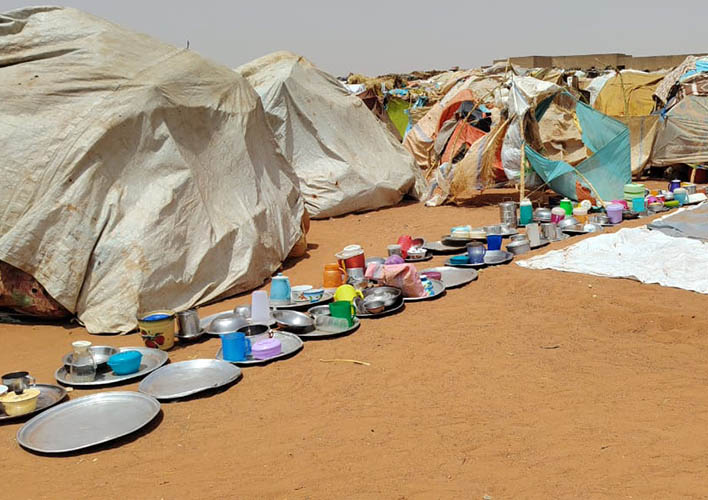
And for the first time in the 10-year history of the GRFC, two famines (in parts of Gaza Strip and the Sudan) were confirmed in the same year. A risk of famine persists for the Gaza Strip, Sudan and South Sudan in 2026.
This is an opportunity for Canada to demonstrate compassionate leadership, says Harrington, who travelled to Sudan and South Sudan last week – a region experiencing the world’s largest humanitarian crisis.
“When a crisis reaches this level, silence becomes a choice. And right now, the people of Sudan need the world, and especially Canadians, to choose to care. By acting now, and providing tangible support that is rooted in our Canadian values, Canada can demonstrate to the world what it looks like to lead with compassion when lives are on the line.”
Conflict continues to be the leading cause of global hunger, accounting for more than half of those facing severe hunger. Without relief from ongoing violence, climate shocks, and economic instability, many countries are expected to continue experiencing critical food shortages into 2026.
The report also warns of growing risks associated with global market upheaval, including those linked to the Middle East crisis, pushing food, fertilizer, and fuel costs higher and disrupting supply chains.
These numbers are not abstract, says Foodgrains Bank senior humanitarian manager Stefan Epp-Koop, but reflect the lived reality of hundreds of millions of women, men, and children who deserve the dignity of a life free from hunger.
“That reality is why our members and partners continue to respond to the global hunger crisis – providing lifesaving support today while enabling families to build a more food secure future.”