In November 2025, world leaders, negotiators, and civil society representatives from over 190 countries gathered in Belém, Brazil, for COP30 – the United Nations climate conference.
COP30 marked the 10-year anniversary of the Paris Agreement, signed by 195 countries that agreed to work together to limit global warming, strengthen climate resilience, increase transparency of reporting, and provide financial support to low-income countries dealing with the worst impacts of climate change.
Brazil’s president urged countries to make COP30 a “COP of truth”, emphasizing less theoretical discussions or lofty speeches, and more action to support the people most vulnerable to climate impacts.
For humanitarian organizations like Foodgrains Bank and the organizations that are a part of our network, COP30 was not just about climate targets or technical agreements. It was about whether the world is taking meaningful steps to protect people already facing hunger, displacement, and loss.
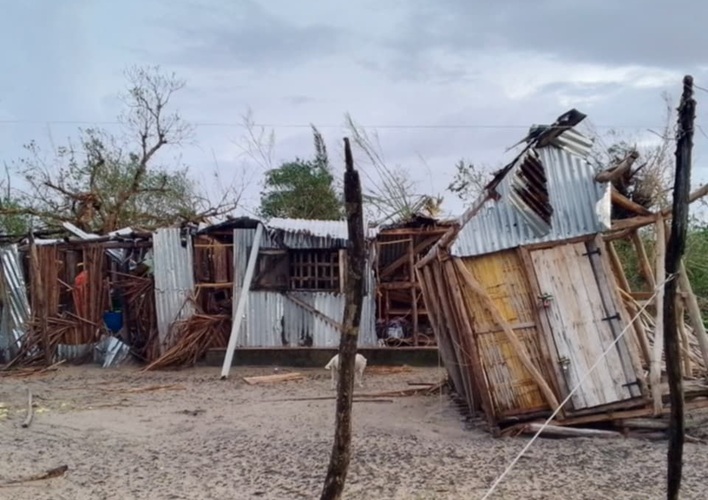
The conference itself was disrupted multiple times by fires, floods, and intense heat – reminding attendees and those watching from afar that climate-driven emergencies are not something of the future, but a present threat for millions of people around the world.
COP30 led to some important developments:
- A new ‘Global Implementation Accelerator’ was launched to help countries turn climate plans into real action. This kind of support is critical for countries we work in, as this can lead to stronger early warning systems, more climate-resilient food systems, and helping people cope with climate shocks before it becomes devastating.
- Countries called for increased funding for climate adaptation – practical work that helps communities adjust to climate impacts they can no longer avoid, from implementing drought-resistant farming, to better flood protection, and safer water systems.
- COP30 also saw the first call for proposals for the ‘Fund Responding to Loss and Damage’. This fund is designed to help countries and communities recover after severe weather events, such as when land is lost to flooding, homes are destroyed by storms, or livelihoods are wiped out by repeated droughts. However, the amount of money currently pledged falls far short of what is needed – covering just 0.2 per cent ($788.8 million) of the total amount ($400 billion).
Where COP30 fell short:
- As part of the global review of climate action, countries were expected to submit updated climate plans in 2025. By the end of COP30, many had still not done so, and current commitments are not strong enough to prevent dangerous levels of warming.
- While Canada has had a strong record of climate financing (money provided by governments to help prevent climate change, protect the environment, and support communities in dealing with its impacts) over the past 10 years, Canada’s lack of participation and commitment during COP30 was concerning. There was no Canadian representation at the Leader’s Summit, including from Prime Minister Carney.
- At COP30, $392 million was allocated out of Canada’s existing climate finance funding, primarily for agricultural projects. However, despite an extensive government consultation process lasting more than a year on the renewal of Canada’s climate finance package, no new or additional climate finance funding was announced.
Why do COP30 and climate finance matter to Foodgrains Bank?
Climate change is one of the biggest drivers of humanitarian need in the world today, as it exacerbates the struggle of hunger, drives displacement, and increases the severity of natural disasters. And often, the places least responsible for emissions are first on the line when climate crises hit.
When disasters strike, emergency assistance can save lives – but without long-term support, families are left without a way to rebuild their futures and recover their livelihoods.
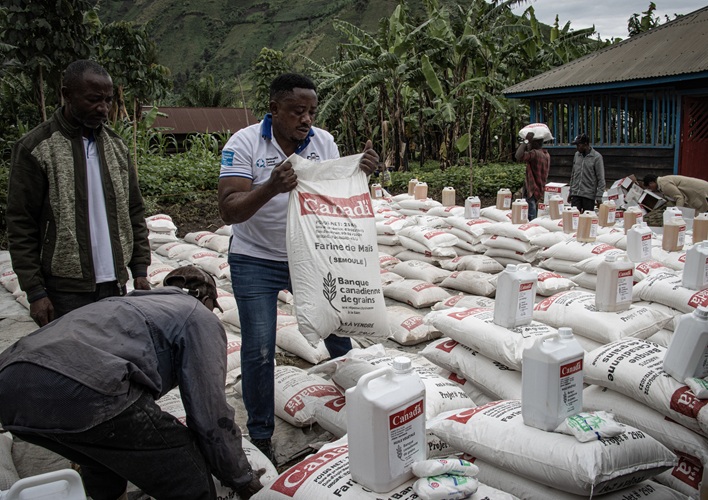
But when climate finance – one of the ways Canada provides Official Development Assistance (ODA), or international assistance – is strong, it can be profoundly effective in building people’s resilience to hunger and preventing emergencies before they begin.
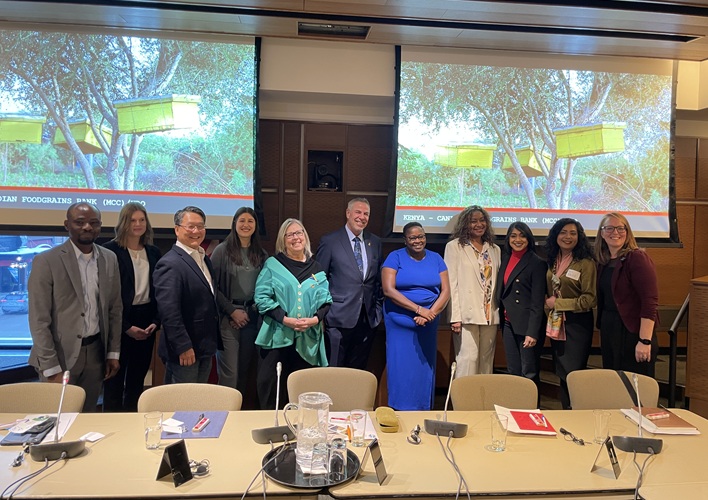
That’s why Foodgrains Bank, Canadian Lutheran World Relief (CLWR), and Mennonite Central Committee Canada (MCC), joined MPs and guest speakers from Canada’s ‘Partnering for Climate’ initiative at a breakfast event in Ottawa on February 5 during International Development Week.

From left: Kenneth Kim (MCC executive director), Amy Martens (MCC climate change adaptation program lead), Sophie Gebreyes (Lutheran World Federation Ethiopia country representative, partner of CLWR), and Regina Kamau (Utooni Development Organization chief executive officer, local Kenya partner of MCC). They shared how Canada’s Partnering for Climate (P4C) fund has contributed to the lasting, transformative change they are seeing in Ethiopia, Kenya, and Zimbabwe. (Photo: Natalie Appleyard)
The breakfast was co-hosted by MPs from the Liberal, Conservative, and New Democratic Parties, with the Green Party also represented among the attendees, demonstrating these issues transcend partisan politics.
Our collective message was clear: Canadians care about hunger, care about the impacts of climate change, and know that Canadian ODA and climate financing are critical to addressing both challenges.
As a humanitarian organization with a mission to end global hunger, we will continue to work alongside communities, governments, and Canadians to advocate for fair and adequate support for climate finance, so that when crisis strikes, quick recovery is possible.
Want to join us? Speak up for sustained Canadian ODA and climate financing by sending an e-postcard in support. Click here to send yours!