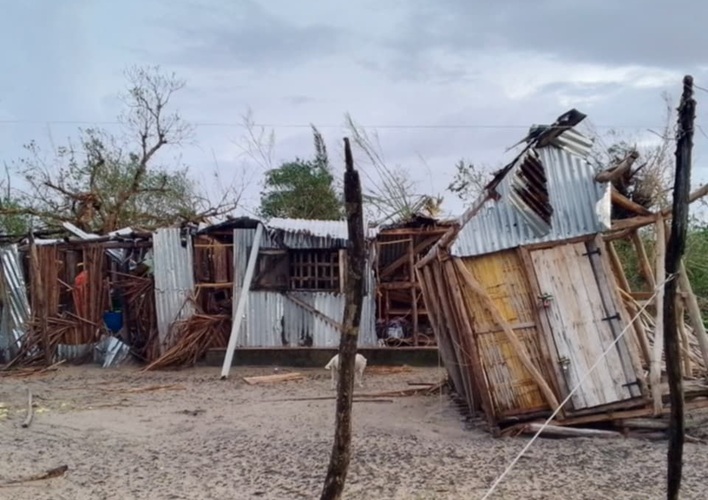
On February 10, Intense Tropical Cyclone Gezani hit the east coast of Madagascar near the city of Toamasina. For two days, winds reached up to 250 km/h and were accompanied by heavy rainfall. At least 59 people died and 800 were injured by the storm, 102,000 homes were damaged or destroyed, and critical infrastructure – including schools, hospitals, roads, markets, and electricity networks – was badly damaged.
Gezani was even more devastating because it came only two weeks after Cyclone Fytia, another storm that hit the same region with torrential rain and high winds. The saturated ground resulted in worsened flooding in many areas.
The timing is particularly bad as farmers in the affected areas had recently planted their annual rice crop. Most households in this area rely on this rice harvest for their livelihood.
Early reports suggest that over 70 per cent of the crop has been lost in the hardest-hit districts. The last time that there was a similarly timed cyclone, the severe agricultural losses and damage to rice fields meant that many people experienced hunger throughout the year.
Nearly 700,000 people have been affected by Cyclone Gezani. Many of these are experiencing acute hunger due to the damaged crops and lost livelihoods.
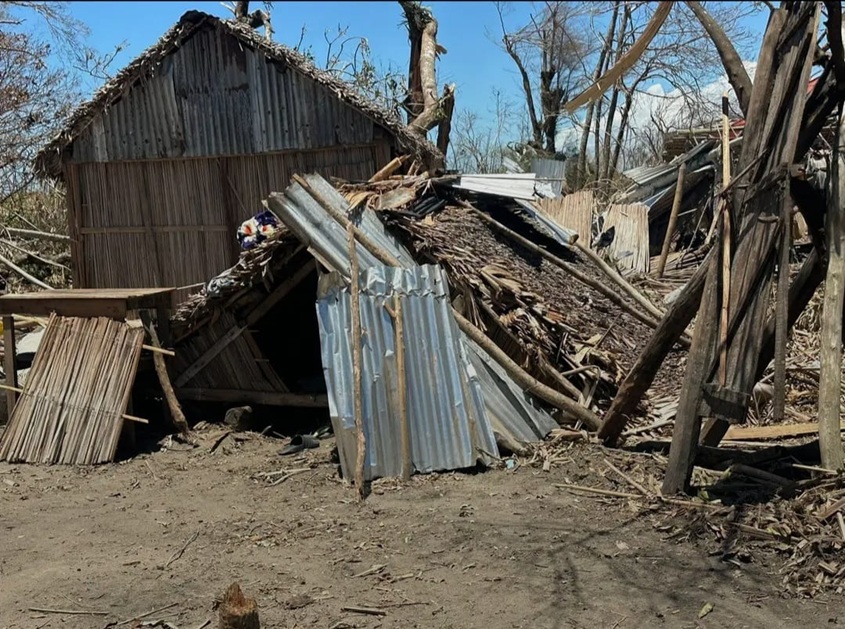
Only two weeks after the cyclone left Madagascar, Foodgrains Bank member World Renew is already supporting its partner SAF-FJKM to implement a rapid response to help 3,325 people to recover from the cyclone. SAF-FJKM will provide households with a cash distribution worth approximately $90 followed by three months of food distributions. This assistance will enable families to meet their food needs in the coming months while they recover and rebuild.
World Renew’s rapid response through Foodgrains Bank is made possible with support from the Government of Canada and the Humanitarian Coalition, through its Canadian Humanitarian Assistance Fund (CHAF).
CHAF makes funds available almost immediately when disasters hit, and Humanitarian Coalition members (on the ground in more than 160 countries) choose the agency among them that is best placed to provide aid quickly and effectively.